When a locksmith is on the way, a few simple steps cut stress and speed up the fix. Focus on safety first, assemble proof of ownership if you can, and clear any access routes so the locksmith can work without delay. I’ll walk through what to expect when a locksmith shows up, what they will need, how to spot a reliable pro, and how to keep the job efficient and secure.
What the arrival typically looks like and why it matters.
A locksmith’s first five minutes reveal a lot about their process and professionalism. Expect them to park where they can work safely, present identification if asked, and explain who they are and what they plan to do. A calm, methodical approach usually means a faster, less destructive resolution, especially if the locksmith can use your existing lock rather than replace it.
What paperwork or proof you should have ready when the locksmith arrives.
Most pros will ask for a photo ID and at least one supporting item to confirm authority to access the property or vehicle. For a home call, show a driver’s license and a utility bill or lease with your name and the address, or ask the landlord to be available by phone if you lack paperwork. Refusing to verify identity is rare, but it is a legitimate boundary that protects both you and the locksmith from liability.
The gear you’ll probably see and what each tool suggests about the work required.
Certain tools are associated with minimal-damage solutions while others hint at replacement, and the technician will explain the trade-offs. You will often see key blanks, rekey kits, and a portable key machine for on-the-spot key cutting, which is common for lost-key situations rather than forced entry. A technician who explains pros and cons and gets explicit consent before swapping parts is doing the right thing, even if the explanation takes a few extra minutes.
Rekeying and replacing are different services and a good locksmith will outline the differences clearly. Rekeying changes the interior pins so old keys no longer work and it’s usually cheaper than a full replacement when the lock is mechanically sound. A trustworthy technician will give a time estimate and a price Central Florida emergency locksmith range for both options so you can choose responsibly.
How to spot licensing, insurance, and basic verification quickly.
A quick credibility check is to ask for a business name, a license or registration if required locally, and proof of insurance. If the locksmith refuses to provide identification, pause the job and call their office number to confirm the dispatch; if that fails, request another technician or suggest rescheduling. Reputable companies carry general liability and, where relevant, workers compensation, and they will provide policy details if you request them.
Typical arrival conversation: what they will ask and why.
These questions help the locksmith choose a safe, legal, and efficient approach to entry. If you believe the lock was tampered with, mention it, because that can change the legal steps the locksmith will take and whether they advise police contact. A straightforward conversation before they touch the lock also lets them give a firm estimate rather than an off-the-cuff guess once work is underway.
Cars have electronic systems and sometimes computer-based immobilizers that complicate entry, and a good technician will ask about these first. For vehicles that require key programming, additional time and parts can be expected, and the locksmith should explain whether they can program keys on-site or must order them. If the problem is a locked trunk or glove box, mention it right away since those jobs often require different tools and techniques.
Questions you should ask up front about price and guarantees.
Ask for a clear, written estimate for arrival fees, labor, and parts before the locksmith begins, and get any guarantees in writing. If they will cut new keys on site, ask if those keys are covered against defects for a short period and if duplication costs are included. If a locksmith insists on payment before work begins, ask for a clear cancellation policy and a receipt immediately after payment.
When to push for non-destructive entry methods and when replacement makes more sense.
If the lock is in good mechanical condition, picking, bumping, or bypassing often works and keeps hardware intact. If time and cost are the priority, a replacement cylinder can be quicker in some circumstances because the locksmith does not spend extra minutes attempting picks. If they must drill, ask whether they will use a practice that preserves the door trim and how they will finish the job neatly.
The technician should review the condition of the lock, any parts they changed, and what you can do to prevent a repeat. If the lock failed due to age rather than a break-in, expect a clear note about lifespan and realistic timelines for replacement of other similar locks. A simple photo of the replaced parts and the invoice can save time if you later seek a second opinion or additional work from another technician.
Small, practical steps to take while you wait for the locksmith.
Use the time to locate identification and documents, gather a flashlight, and move to a safe, well-lit area near the door or vehicle. Avoid forcing doors or windows yourself, since DIY attempts often increase repair costs when the pro arrives. If multiple technicians could arrive, confirm the company name and the dispatched technician’s name before you let someone start work.
A mobile technician can cut keys, rekey cylinders, and sometimes program car keys on the spot, depending on the vehicle and equipment. If you expect on-site key cutting or programming, ask whether the technician has the right blanks and transponders for locksmith 24 hours your make and model before they start. A reliable mobile unit will still provide a written receipt, model numbers for parts, and a contact for follow-up even though the work was done roadside or on your stoop.
Red flags to watch for when the locksmith starts work.
High-pressure tactics, refusal to show ID, or demands for full payment before any work begins are reasons to pause the job and verify credentials. If the locksmith seems unfamiliar with the specific hardware on your door or car, consider stopping and calling the company to request a more experienced technician. If the technician refuses to provide a receipt or becomes evasive after payment, contact your payment provider and local consumer protection to report the incident.
Simple maintenance and low-cost upgrades that pay off.
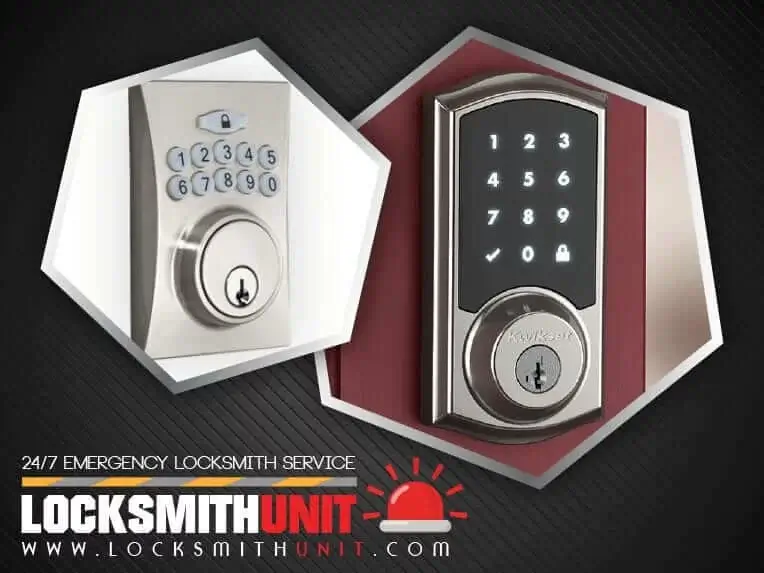
Avoid oil-based lubricants like WD-40 in locks, because they attract dust and grit and can cause buildup over time. Consider adding a keypad or smart lock for keys-in-the-house situations if you frequently lock yourself out, but pick robust, professionally installed models rather than cheap DIY gadgets. Keep a spare key with a trusted neighbor or in a secure lockbox rather than tucked under a mat, and clearly label any spare key location in your records.
Why pre-vetting a locksmith reduces risk and expense during an emergency.
Look for a local company with a physical address, a consistent phone number, and verifiable customer feedback rather than anonymous listings. Compare at least two providers on price and responsiveness and save the one that gives the clearest answers and the best guarantees. If you schedule a preventive visit to rekey or upgrade, use that time to judge workmanship and whether you want that company on your speed dial.
Why certain lockouts demand an official presence or documentation.
If a lockout involves a juvenile or a welfare concern, involve appropriate authorities so access is lawful and safe. Landlords and property managers usually have master keys or documented processes that can handle lockouts without unilateral changes that could later cause disputes. A locksmith will often advise the right course if you explain the circumstances, but if legal questions exist, get the appropriate authority involved first.
Good record-keeping prevents mismatches when you need additional keys or later service, and it supports warranty claims if a part fails. Consider periodic checks of newly installed hardware at the one-month and three-month marks to catch any alignment or wear issues early. If a new lock uses a specific keyway that limits duplication, ask the company whether they can supply additional keys and what the controlled-duplication policy is.
Practical steps to preserve coverage after lock-related incidents.
Insurance companies often want proof of attempted forced entry and receipts for lock replacements, so obtain those documents at the time of service. If the locksmith installed manufacturer warranty parts, ask for the warranty transfer or registration details and keep the copy for future service calls. If the locksmith performed electronic key programming, ask for a written description of the programming steps and the exact components changed to ease dealership diagnostics if needed later.
When to stick with a company and when to consider alternatives.
Consistency matters for rental owners and small businesses, because regular service providers understand your property and can act faster. Ask whether the company offers maintenance plans or priority emergency callouts for repeat customers if you want predictable costs and faster response times. Keep at least two vetted locksmith contacts so you have alternatives if one is unavailable.
What to do and say in the first five minutes for an efficient call.
Make sure you have a clear record of the quoted price and any arrival fee and that you understand the basic approach the technician intends to use. If the locksmith proposes drilling or replacing hardware, ask for a photo of the damaged mechanism once open so you can keep a record for later questions. A tidy end to the visit with clear paperwork and a working lock is the real measure of a professional call, and it keeps you ready for the next time.
Keeping the contact information handy avoids the frantic search that occurs during an actual lockout. If you prefer a digital trail, email the invoice to yourself and back it up in a secure folder for easy retrieval. A little documentation and a reliable contact list make emergency responses faster and less expensive, and they improve safety for everyone involved.