When you face a locked door and rising panic, the impulse to force an entry is natural but worth pausing over. You should consider calling a locksmith near me before you put a hammer through glass, because professional help is often faster and less damaging than you expect. Below are pragmatic rules of thumb, real examples, and step-by-step alternatives to smashing a window.
Situations that justify breaking a window.
There are narrow scenarios where breaking a window is the least bad option. If someone inside is unconscious and you cannot get a door open quickly, breaking a window can save a life. If a fire blocks the primary exit and a window is the only reachable escape route, smashing it may be necessary. When temperatures are rising inside a locksmith 24 hours locked car and help is minutes away at best, breaking glass can prevent heatstroke. Even in urgent cases, check for easier options first.
What you lose when you break a window.
A single broken window can trigger insurance claims, boarding fees, and secondary damage. Once glass is out, rain, wind, or intruders can enter, adding repair complexity. If you live in a rental or an apartment, you may be billed for repairs and lose security deposit money. If the emergency is ambiguous, property damage can lead to disputes or police involvement. Factor in time and inconvenience too; boarding a window, scheduling glass replacement, and fixing frames often takes days to weeks.
Safer immediate alternatives to breaking a window.
Many lockouts resolve without force if you follow a checklist. Explore every potential entry point calmly, including service doors and adjacent units. If a key is misplaced, call a mobile locksmith rather than forcing the property; professionals often arrive quickly with non-destructive tools. Police and fire departments have protocols and tools for vehicular rescues and can advise or act quickly. Use makeshift tools only with caution; prying at locks or doors can cause more damage than a controlled glass break and can be unsafe.
Minimize harm when a window must be broken.
Choosing the correct window and method matters for safety and repair. Aim for a small corner or the outer frame area of tempered glass where force is most likely to create an exitable opening. Personal protection reduces laceration risk significantly when glass breaks. Controlled striking tools create safer egress openings. After breaking, immediately clear shards away from the exit path and create a temporary barrier to weather and pests using plywood or thick plastic.
Why a locksmith or emergency responder is often the better choice.
If the person inside is unresponsive but breathing, call emergency services first and let pros lead the entry. A licensed locksmith typically resolves residential lockouts within 15 to 45 minutes depending on travel and complexity. When windows are high, or the break requires ladders and specialized tools, engage professionals to avoid falls and further danger. If you worry about liability, property ownership, or rental agreements, call the property owner or building manager and a locksmith rather than taking unilateral action.
A pragmatic decision framework for emergencies.
A simple triage helps decide between waiting for help and acting now. Extreme medical threat justifies forceful entry if professionals are not already there. Even vulnerable occupants often tolerate a short wait for a professional entry. Estimate realistic arrival times for help; if a mobile locksmith or emergency team can arrive in under 15 minutes and the occupant is stable, prefer waiting.
Anchors of real experience: quick examples and numbers.
I worked on a case where the occupant waited 20 minutes for a mobile locksmith and avoided an expensive repair. A typical non-destructive locksmith visit often costs in the low hundreds, whereas glass replacement plus boarding and frame repair can run into the mid hundreds to low thousands depending on size and glass type. Follow dispatcher instructions while emergency response is en route.
Practical habits and low-cost preparations.
A few proactive steps dramatically reduce lockout emergencies. A simple spare key arrangement is the cheapest insurance against breaking anything. Maintain a manual override and test it periodically. Label keys, use a routine for carrying them, and set reminders for returning keys to a predictable place when you arrive home.
Practical vetting for emergency service providers.
When you call for help, use licensed, local professionals if possible. Clear expectations reduce stress and avoid surprise charges. Documentation helps later if insurance or landlord disputes arise.
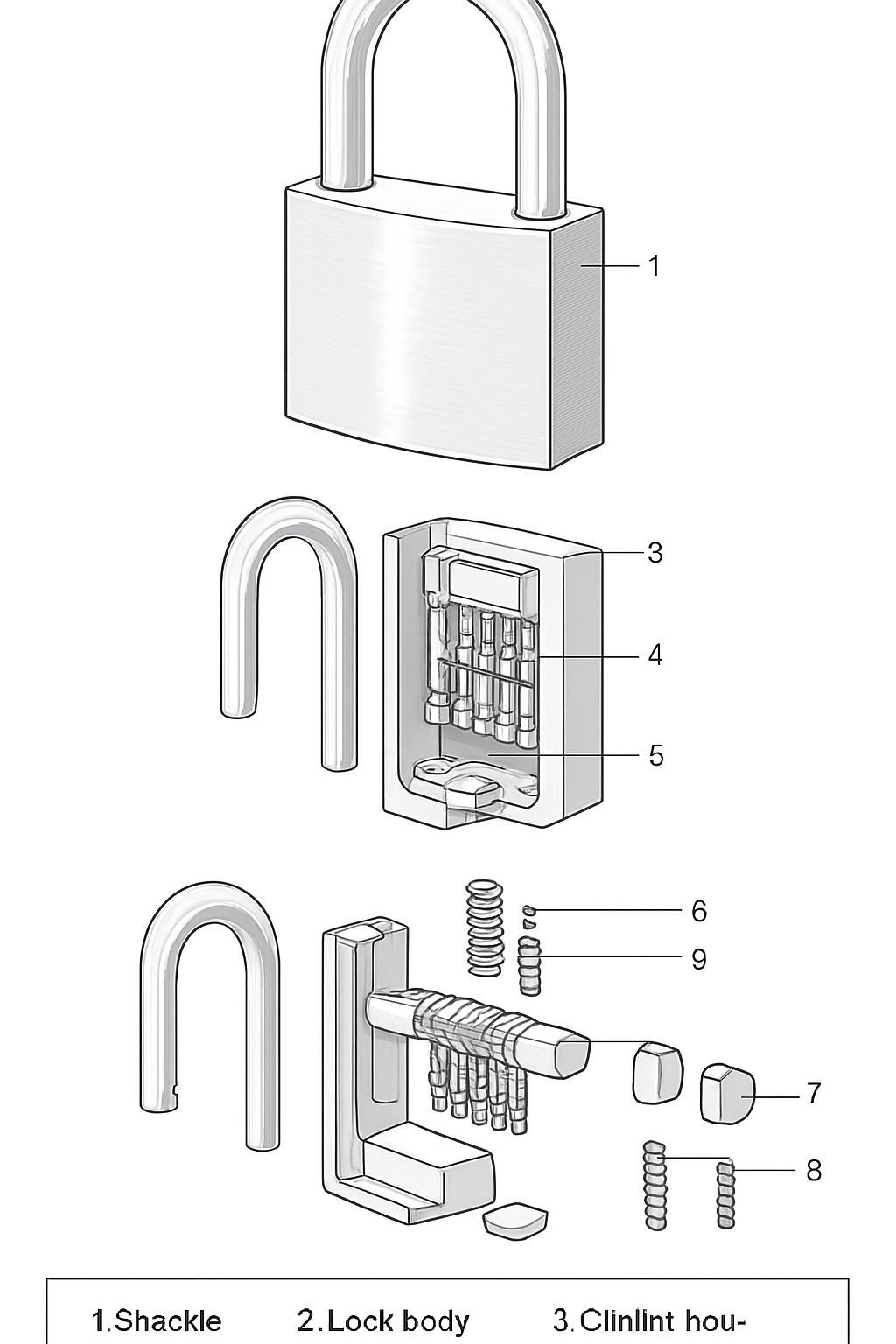
Final practical checklist you can memorize.
Memorize a brief plan so you act decisively and safely. Try alternate exits and call the property owner or manager. After any forced entry, secure the opening and report the action promptly.
Every open locked car paragraph here offered choices and concrete steps because emergencies are messy and judgment matters.