A few practical changes to how you handle keys and locks prevents most emergency calls and keeps your day moving. Experience shows that a short checklist beats a late-night tow truck every time. In particular, consider keeping a trusted contact and service lined up with an option like 24 hour locksmith to respond quickly when prevention fails, and keep reading for detailed steps that will make being locked out much less likely. Below are field-tested suggestions, anecdotes, and specific tips that help you avoid an emergency locksmith call.
Know your locks and when to act.
A surprising number of calls come because a deadbolt or latch was loose for months before it jammed. If a keyed deadbolt takes two turns to lock or the knob wiggles, plan a service call rather than wait for total failure. If you live in a coastal area like much of Florida, choose hardware rated for corrosive environments.
I have replaced many locks that seemed fine until a humid week caused them to seize. Avoid oil-based sprays inside locks, which trap dust and eventually gum the mechanism.
Daily habits that keep keys in reach and locks reliable.
Small rituals make forgetfulness less likely and are easier to keep than you think. A fixed, visible location for keys cut the "where are my keys" panic to nearly zero in my experience. A quick "keys, phone, wallet" note near the exit works for busy households where people rush out together.
A locksmith 24 hours hidden magnetic key can be practical but should be used with care and rotated occasionally so it does not become an open invitation.
Realistic backups to avoid emergency locksmith pricing.
Asking a neighbor, relative, or close friend to hold a spare key solves a vast majority of accidental lockouts. Choose a 24 hour locksmith with clear rates and a reputation for showing up on time emergency door opening to avoid surprises. A single laminated card in your wallet with the service number can save time at midnight.
Call before you need service and ask hypotheticals about night and weekend calls to learn typical costs.
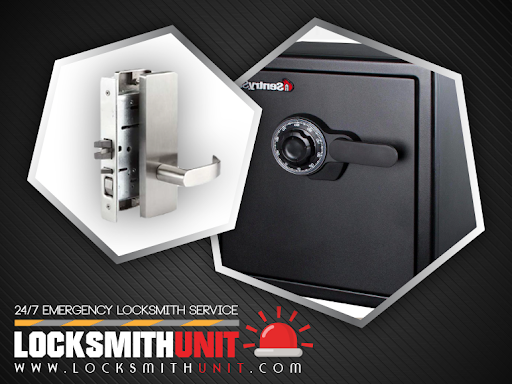
Pick locks and accessories that make day-to-day life easier.
Deadbolts with a grade 1 or 2 rating last longer and resist misuse better than cheaper models. Interior thumb turns allow you to exit without a key and reduce panic when a family member steps out with the only key. Understand that a smart lock trades mechanical simplicity for electronics, so plan for power or network failure.
I recommend combining a quality mechanical deadbolt with a smart lock in layered installations rather than relying on electronics alone.
When you should call a professional rather than DIY.
Loose screws, minor alignment issues, and broken strike plates are often homeowner-fixable with basic tools. If a key feels stuck, stop and call rather than pushing through with leverage. When keys break, locks have visible internal damage, or you suspect tampering, call a certified locksmith immediately.
Sometimes rekeying saves money, and other times a full replacement is the smarter, longer-term choice.
Extra precautions when you are away or managing rentals.
For rentals or Airbnbs, use code-based smart locks or a professional key exchange service to avoid individual physical keys. Periodic maintenance visits remove the surprise element from longer absences. If you manage multiple units, invest in consistent hardware so a single key system or master key can simplify access for maintenance.
A few field stories that shaped how I advise clients.
A homeowner once avoided a $200 night call by swapping a failing deadbolt after noticing a slight wobble that worsened over a week. Knowing typical after-hours multipliers helps you decide whether a DIY fix or scheduled appointment is the better financial move. Sometimes a subscription makes sense if you frequently travel or have many occupants, other times a pay-as-you-go approach is cheaper.
How to reduce stress and get back in quickly without making things worse.
If you realize you are locked out, stay calm and reassess rather than trying the first risky idea that comes to mind. Call your saved emergency contact or the local mobile locksmith you previously vetted rather than random ads you find in stress. If you have a spare key with a neighbor, check whether they can hand it over without putting themselves at risk or violating building rules.
If you own a vehicle, check whether you can retrieve an interior spare key before calling for external help, but do so securely.
Final practical checklist and recommended next steps.
A 30-minute check can reveal issues that are trivial to fix when caught early. Choose one trusted contact for a spare key, and store a locksmith number in three places: your phone, a paper wallet card, and a household binder. If you have an older lock set, budget for replacement within the next 1 to 3 years depending on wear, and consider higher-grade hardware when you do.
Most people who follow even half these steps report fewer stressful moments and lower long-term costs.