Being locked out is stressful for anyone, and having a disability can turn a small problem into a major barrier. I once had a neighbor who used a power wheelchair and lost his key on a rainy night, and that memory shaped how I think about practical responses to lockouts; emergency locksmith Orlando search habits and what to expect from responders are https://locksmithunit.com/locksmith-bay-hill-fl/ part of that real-world picture. What matters most in those first minutes is reducing risk, preserving independence, and getting reliable help fast.
Why a standard lockout response often fails people with disabilities.
Most locksmith protocols are designed for ambulatory customers, and that mismatch creates both practical barriers and safety issues when people need help. Visual or cognitive impairments introduce different challenges, such as describing the problem over a phone or confirming identity through standard procedures. The implication is that preparation, selection of a locksmith, and on-site tactics must adapt to the person's abilities.
Practical prepping to reduce panic and delay when a lockout hits.
Store a spare key in a wheelchair bag, a cane holster, or a low kitchen drawer so it's accessible when you most need it. Make a small laminated card with the name, phone, and medical needs of the person who might call for help, and keep that card with primary IDs or in the phone case. A little community planning prevents many lockouts from becoming emergencies.
Choosing a locksmith with accessibility awareness is not optional.
Ask about experience with accessible doors, automatic operators, and adaptations locksmith 24 hours such as wheelchair ramps or lower thresholds. Give the dispatcher a brief picture: "wheelchair user, cannot step up, deadbolt at 6 feet" so they send appropriate tools and a technician who understands the constraints. A clear plan reduces surprises and preserves dignity during a stressful moment.
Staying safe while waiting for help matters as much as the repair itself.
If you are outside, find shelter and stay visible rather than crouching in the rain or trying to force a door that could slip shut again. Share the locksmith's name and arrival time with a neighbor or friend, so they can check in if needed. If you must wait inside a vehicle, keep the engine off if safe to do so and maintain ventilation, and lock doors selectively according to personal comfort.
The first meeting with a locksmith should be a quick exchange of needs, not a technical monologue.
A short summary lets the technician pick the right tools and approach quickly and keeps everyone focused. Ask for identification and explain any communication preferences if hearing or visual impairment is a factor. Be realistic about what you can move safely and ask for help with anything that could compromise balance.
Common technical approaches a skilled locksmith might use on accessible doors.
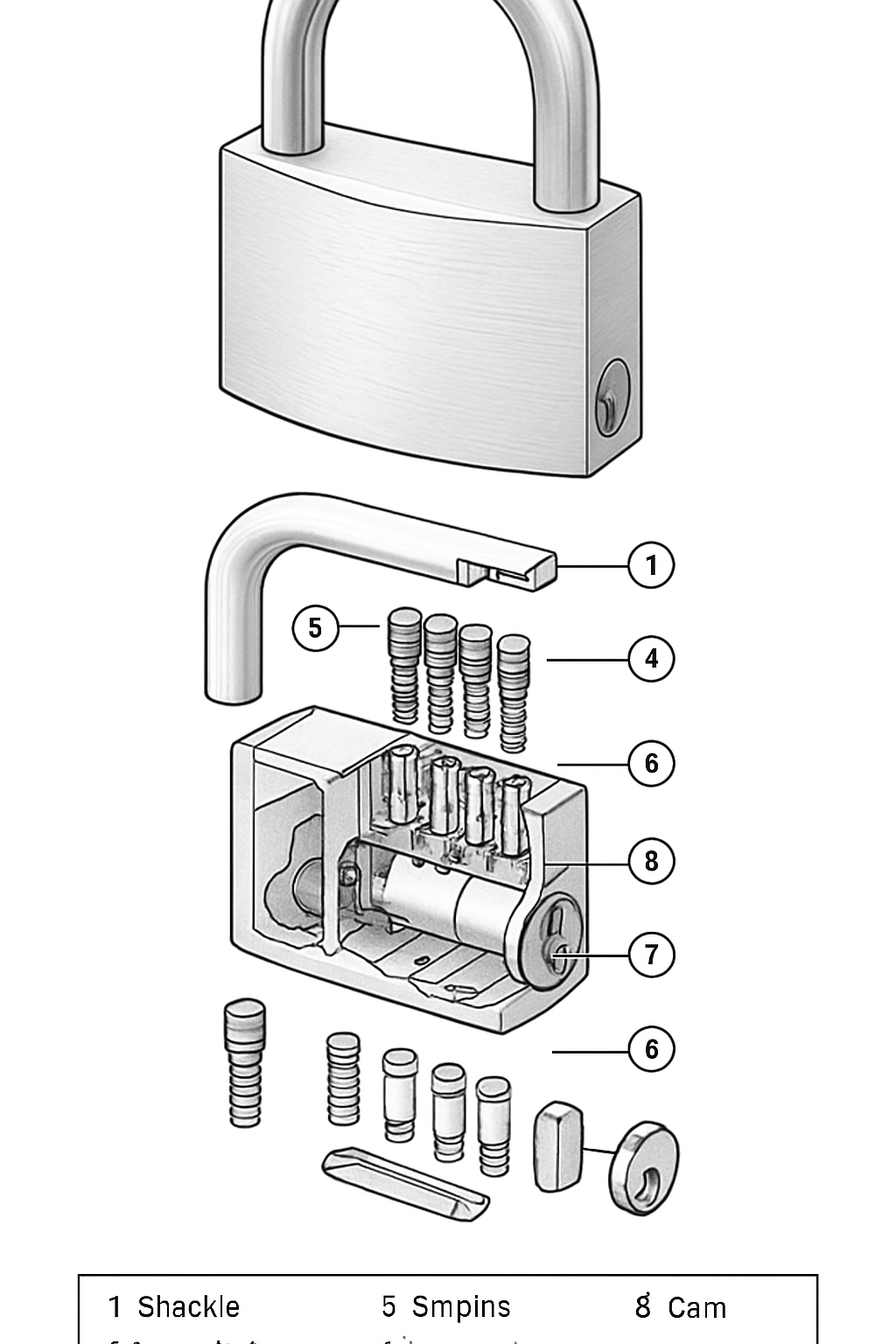
A locksmith trained in accessible hardware will first try non-destructive entry methods suitable for lever and paddle handles, not only traditional pick techniques. Experienced techs carry portable programming tools and batteries and can often bypass an electronic latch without cutting the door frame. Mobile key cutting and testing on-site avoids a return trip and means you get a working spare before the technician leaves.
When to accept a fast but destructive method and when to insist on preservation.
In those cases document the condition and ask the company to follow up with permanent repairs. A bent frame or badly cut sill creates new barriers and higher costs later, so insist on non-destructive options when time and safety allow. Ask for a written estimate when more invasive repairs are needed and consider calling your landlord or facility manager before permanent work starts.
How to confirm identity and ownership when standard gestures are difficult.
You can include a photo ID on the card if you are comfortable, but the goal is to make verification simple and achievable from a seated position. A quick phone call to a neighbor or family member can validate ownership without requiring physical transfers that risk falls. That administrative step removes friction and provides a formal channel for verification.
Ways to avoid surprises on the bill after an urgent call.
If cost is a concern, ask whether a non-emergency appointment can be scheduled within a reasonable window instead. If the work involves damage to a door or lock, document everything and collect a written invoice to support insurance or landlord claims. Some local programs or nonprofit services provide subsidized or vetted locksmith referrals for people with disabilities, so check with local disability services or a city consumer protection office.
Small investments that pay off every time you lock the door.
A licensed locksmith can advise on height and placement that preserve security while improving reach. Consider adding a keyed-as-needed electronic keypad or a smart lock with secure code access so authorized users can re-enter without a physical key. A properly balanced closer reduces the force needed to open the door and prevents slams that can be hazardous.
Final considerations that reflect experience, not theory.
The pattern repeats: people who plan spares, record preferences, and vet technicians have shorter downtimes and fewer injuries. A walkthrough lets a company learn the layout, note ramp locations, and build a record of accessible hardware so future calls are routine instead of improvised. Redundancy matters: one company might be closed or far away, but a second provider and a community contact increase your chances of rapid help.
If you want, I can draft a laminated emergency card text you can print pocket-size, and I can suggest specific low-profile hardware models that fit common accessibility needs.